In today’s fast-paced world, self-care is more important than ever. Taking time to nurture your mental health is not a luxury, it’s a necessity. Self-care refers to the intentional actions you take to maintain your physical, emotional, and mental well-being. While it might seem challenging to prioritize yourself amidst life’s demands, simple and practical self-care practices can significantly improve your mental health and overall quality of life.

Why Self-Care is Crucial for Mental Health
- Stress Reduction: Regular self-care practices help reduce stress and prevent burnout by giving your mind and body the time they need to recharge.
- Improved Resilience: When you take care of yourself, you build the mental and emotional strength needed to navigate life’s challenges.
- Better Emotional Regulation: Self-care promotes emotional balance and helps you respond thoughtfully to stressors.
- Enhanced Productivity: A well-cared-for mind is more focused, creative, and productive.
Practical Self-Care Practices for Mental Health
1. Mindfulness
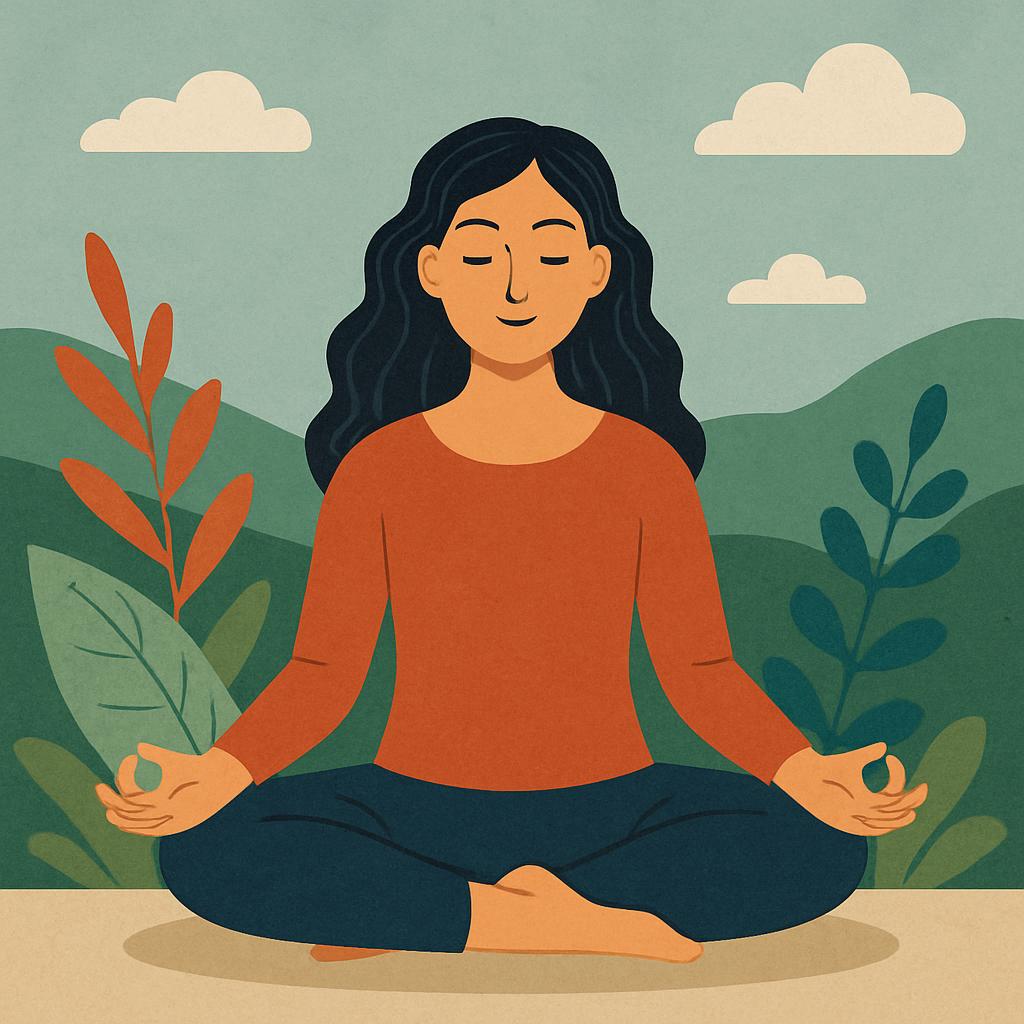
- What it is: Mindfulness is the practice of staying present and fully engaged in the current moment.
- How it helps: It reduces stress, improves focus, and fosters a sense of calm.
- How to practice:
- Start with a 5-minute daily meditation.
- Use guided meditation apps like Headspace or Calm.
- Practice mindful breathing—inhale deeply for 4 seconds, hold for 4 seconds, and exhale for 4 seconds.
2. Journaling

- What it is: Writing down your thoughts, emotions, and experiences.
- How it helps: Journaling provides clarity, helps process emotions, and serves as a therapeutic outlet.
- How to practice:
- Dedicate 5-10 minutes daily to jot down how you feel.
- Try gratitude journaling—write three things you’re thankful for each day.
- Use prompts like, “What made me smile today?” or “What’s been on my mind lately?”
3. Maintaining a Routine
- What it is: Creating a structured plan for your day or week.
- How it helps: A consistent routine provides stability and helps manage anxiety.
- How to practice:
- Start your day with a morning routine (e.g., stretching, having a healthy breakfast).
- Plan your week with time for work, rest, and leisure activities.
- Set realistic goals and stick to them.
4. Setting Boundaries
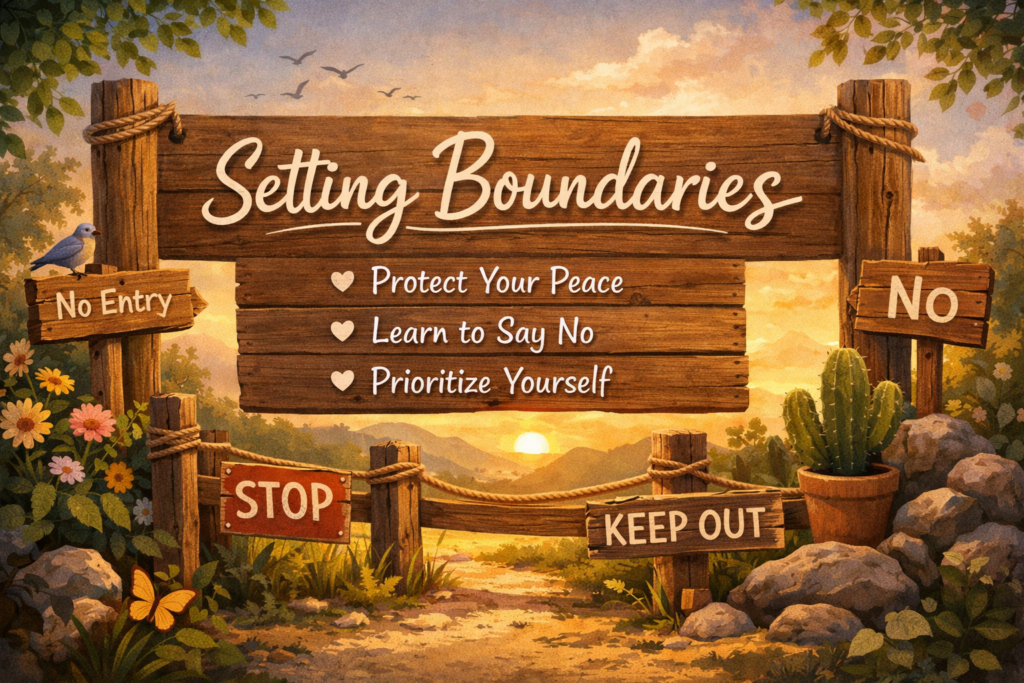
- What it is: Learning to say “no” when necessary and protecting your time and energy.
- How it helps: Boundaries prevent overcommitment, reduce stress, and maintain healthy relationships.
- How to practice:
- Be honest about your limits with friends, family, and coworkers.
- Politely decline requests that overwhelm you.
- Schedule downtime and honor it.
- Reflect on past experiences where saying “yes” caused stress.
- Use “I” statements to express your feelings without blaming others.
- Consider the long-term impact of saying “yes” versus “no”.
5. Physical Activity

- What it is: Moving your body through exercise, yoga, or even a simple walk.
- How it helps: Physical activity releases endorphins, reduces anxiety, and improves sleep.
- How to practice:
- Aim for at least 30 minutes of movement 3-5 times a week.
- Find activities you enjoy, such as dancing, swimming, or hiking.
- Stretch or do light exercises during breaks if you have a sedentary lifestyle.
- Consider joining a fitness class for motivation and guidance.
- Set specific goals to track your progress and stay committed.
- Explore group activities to combine socializing with exercise.
6. Physical Activity
- What it is: Prioritizing restful, consistent sleep.
- How it helps: Proper sleep is essential for emotional regulation and mental clarity.
- How to practice:
- Stick to a consistent sleep schedule.
- Create a calming bedtime routine (e.g., dim lights, read a book).
- Avoid screens at least 30 minutes before bed.
7. Seeking Support
- What it is: Reaching out to friends, family, or professionals when needed.
- How it helps: Sharing your thoughts with someone you trust reduces feelings of isolation.
- How to practice:
- Call or meet with a trusted friend regularly.
- Join a support group or community.
- Seek professional help if you feel overwhelmed.
- Write a letter or message to someone you haven’t spoken to in a while.
- Schedule regular family gatherings to maintain connections.
- Volunteer for community activities to meet new people.
Final Thoughts
Self-care isn’t selfish; it’s an essential investment in your mental health. By incorporating these simple practices into your daily routine, you’re not only nurturing your well-being but also creating a foundation for a happier and more balanced life. Start small, stay consistent, and remember: your mental health matters just as much as your physical health.



Great advice – sometimes just one tip can be enough to get you started, and then you can slowly add more – well done! Linda 🙂
Thank you Linda 😊❤️
my absolute pleasure! xx